Become a member
About
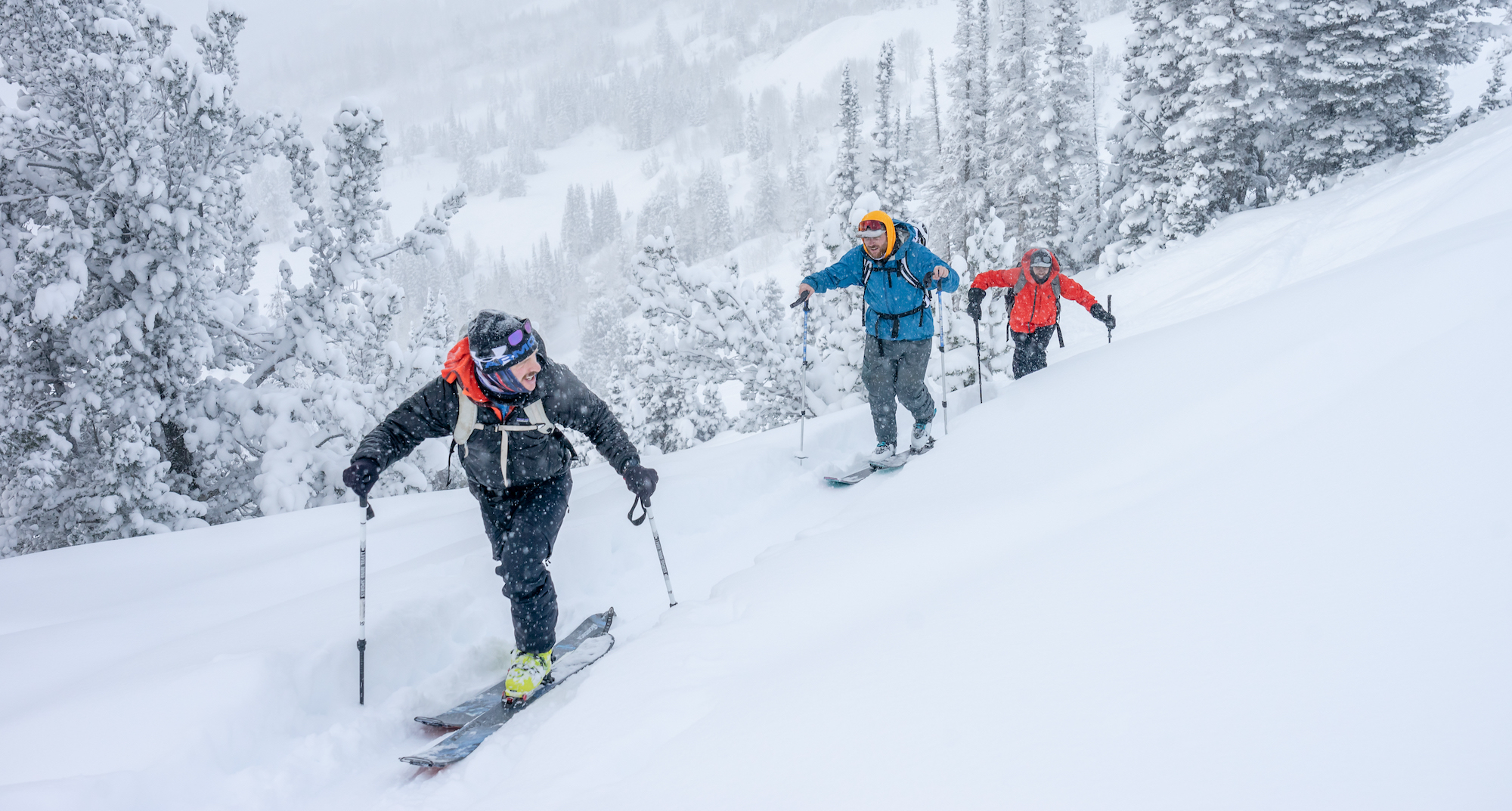
Wasatch Backcountry Alliance is the recognized voice for the backcountry community involved in human-powered winter recreation in the Central Wasatch Mountains. We represent a unified voice to media, partners, elected officials, and the general public. We focus on providing advocacy to support our causes, and serve as a central information venue for related topics. We are a registered 501(c)(3) nonprofit.
History
2013
Harness Passion & Stop SkiLink
Wasatch Backcountry Alliance was founded in 2013 by a small group of passionate backcountry skiers. Our friend at Winter Wildlands Alliance, Mark Menlove, recognized an opportunity to form a group to give a voice to the backcountry and winter human-powered recreation in the Wasatch. Mark harnessed the momentum and called a meeting of folks that he thought would be interested. The founding board members included: Jamie Kent, Brad Rutledge, Tom Diegel (still active board members), Noah Howell, Brad Barlage, Jenny Sontagg, Julia Geisler, Mark Menlove, and Andrew McLean.
An important issue at the time was SkiLink: a proposal to connect the Solitude in Big Cottonwood Canyon to The Canyons (now Park City Mountain Resort) in Park City via a gondola on public lands. Many of the founding board members were deeply involved with stopping SkiLink, as this would be a detriment to the surrounding backcountry terrain. The date the SkiLink concept officially died is a bit of a grey area, however, WBA played a role alongside the community at large.
The Stop SkiLink movement, which led to the formation of WBA was critical. It created resistance – and especially organized resistance, to protect the mountains we call home.
2013-2014
Mountain Accord
Even back in 2013, everyone was fighting for a different future for the Central Wasatch. WBA knew the importance of engaging in this process, so the voice of the backcountry users would be heard. The Mountain Accord was formed out of a group of citizens, elected leaders, BCC and LCC ski resort managers, transportation officials, private property owners, recreation and environmental groups, and other stakeholders. The goal was to develop a plan for how the Central Wasatch mountains should be managed, with the environment, recreation, transportation, and the economy as the four focal points. WBA became involved to try and help stop ONE Wasatch and ensure backcountry users were considered a stakeholder in the future of the Central Wasatch.
Working with the Mountain Accord, WBA poured hours of volunteer time into helping develop the Central Wasatch National Conservation and Recreation Area (CWNCRA). The goal of this bill was to conserve the integrity of our watershed and recreation. It would also lock in resort boundaries and legally protect backcountry terrain under a similar umbrella of a “wilderness” designation. The CWNCRA relied on land exchanges between the US Forest Service and ski resorts in the cottonwoods. While this process was very much an exercise in compromise, one of the exchanges we were most excited about was Grizzly Gulch.
2014
ONE Wasatch
Unfortunately, threats to the local backcountry didn’t stop with SkiLink. In 2014, Ski Utah introduced a similar proposal, ONE Wasatch. This plan would connect the five ski resorts in the Central Wasatch with chair lifts or gondolas. Park City and Canyons had merged under Vail’s hand at this point and thus made one of the connections. This proposal was carefully crafted so that connections would happen primarily on private lands leased or owned by resorts. If such a plan were to happen, it would significantly erode the finite backcountry terrain that is already wedged between existing development in our mountains.
Supporters of this “interconnect” proposal argued that it would make Utah an international ski destination. News flash- we already were and remain so! We channeled our efforts into trying to protect Grizzly Gulch- the cornerstone terrain that “interconnect” relied on.
2014-2016
Upper LCC & Grizzly Gulch
A substantial portion of the Mountain Accord attempted to settle land use with potential compromises of finalizing resort boundaries on public land in the Cottonwoods, and thereby keep places where we recreate in the backcountry safe from further development encroachment.
WBA, along with community partners, spent countless hours in the focus groups of Mountain Accord, and it became clear that Grizzly Gulch (GG) is hotly sought after by both the public, and Alta Ski Lifts (ASL). So hot actually, that ASL and negotiators could not reach an agreement to keep lift proposal options out of the drainage. This resulted in ASL and some others not signing the Accord, thereby making it largely ineffectual.
In addition, it was revealed through negotiations that ASL’s additional motivation beyond a GG chairlift is for another lift to be built to the top of Patsy Marley from within current resort boundaries.
ASL acquired large tracts of private land in GG dating back to the late 1990s, and it became incorporated into the Town of Alta (TOA) in the early 2000s. It’s clear that ASL owners had a vision to expand their resort boundaries and connect to Big Cottonwood many decades ago. However, there remain multiple smaller tracts of US Forest Service (public) land in the drainage – which means FS approval of resort expansion onto public lands is needed to put a lift in Grizzly Gulch. The current FS Plan does not allow for this. But this is a precarious position – as the plan could be changed through administrative methods.
GG is the highest and snowiest trailhead in the Central Wasatch and offers beginner, intermediate, and advanced terrain. It also is the gateway to multiple Big Cottonwood drainages of Twin Lakes Pass, Mt Wolverine, and Silver Fork. It is also contiguous with the iconic Emma Ridge – much of which is owned by ASL and Snowbird.
ASL currently and historically operates under a Special Use Permit (SUP) from the USFS for avalanche mitigation on Patsy Marley for resort operations, and in GG for their Snowcat operations. A chairlift installation in either of these locations would be detrimental to any and all human-powered winter recreation in the mentioned sites plus the surrounding ones.
WBA will continue to keep a watchful eye on GG and Upper LCC because it offers incredible access to terrain and snow quality that few other locations can match. With that, however, comes many other motivations for further development. The proposed LCC gondola, and thereby an extension to Solitude or Brighton being driven by the resort industry, remains unwavering as well.
Although the CWNCRA had been whittled down to a piecemeal package without important land exchanges, the bill was still introduced by Congressman Jason Chaffetz (R-UT) in 2016, but it did not make it out of committee. A fifth draft of the legislation was released in October 2020 and has yet to be reintroduced.
Other goals of the Mountain Accord included: transportation improvements in the Cottonwoods and Parleys Canyons; piloting a Millcreek shuttle; developing comprehensive trail and cycling plans, developing an environmental dashboard, developing programs for acquiring private lands for environmental and recreation values, and identifying long-term funding for programs and systems in the Central Wasatch. These agreements were formalized when the Mountain Accord Charter was signed in July 2015. WBA was actively engaged, making sure the backcountry community had a seat at the table.
2016-current
CWC & UDOT
In 2016, the Mountain Accord dissolved and the Central Wasatch Commission (CWC) was created as a government entity to carry the torch. Most of the stakeholders from the Mountain Accord continued their involvement under the CWC. One of the participating agencies in the Mountain Accord was the Utah Department of Transportation (UDOT), logically so, since transportation was one of four areas of focus. However, in 2018, UDOT announced its plan to conduct an independent Environmental Impact Statement (EIS) in Little Cottonwood Canyon to determine what transportation solution would be best. This stemmed from the state legislature funding transportation projects that impact tourism and recreation, and LCC was ranked as a “top-priority” area. Little Cottonwood Canyon is home to world-class backcountry terrain with unparalleled access. Since UDOT announced its quest for a transit solution, WBA has directed much of our focus to this issue. Simultaneously, we have been juggling other projects to protect backcountry terrain and access.
We need your help
We have been a volunteer-run organization since our inception. While we have been effective, it has become apparent for some years now that WBA needs a staffer to help us keep abreast of the many little — and big — events, meetings, and developments that affect our mission of maintaining the existing balance of ski resort and backcountry terrain. If you wish to support these efforts and our mission, become a member or donate.
The Team
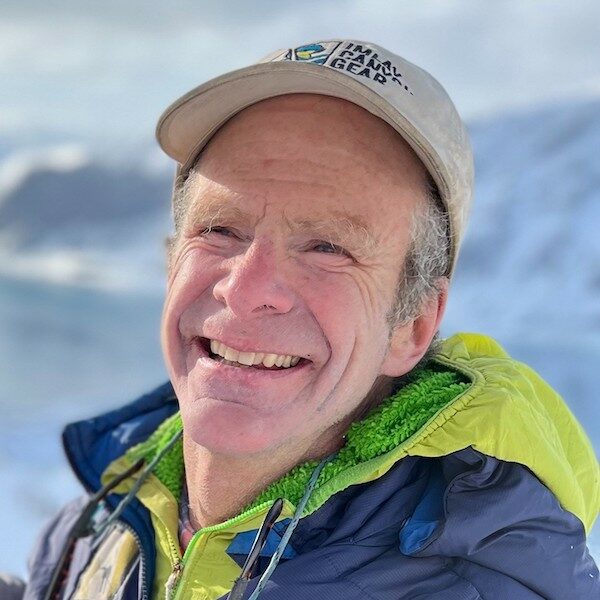
Tom Diegel
Board of Directors – volunteer
I grew up in Oregon and learned to love the mountains and rivers there, and naturally was lured to Utah as a step-up in the beauty, ruggedness, relief, quality, and accessibility of Utah’s mountains and deserts. After many years of cycling, running, hiking, climbing, and skiing in the Wasatch I was asked to be on the fledgling Wasatch Backcountry Alliance a decade ago and happily accepted, since I knew that activism was in my heart and I relished the opportunity to get more involved. We quickly got involved in the Mountain Accord process and as a member of the Recreation workgroup I was involved in many meetings, and was honored to be accepted into the Central Wasatch Commission’s stakeholder group. I have been pleased to get to know and work with the many players in the Wasatch to achieve a balance of preservation with economic interests.
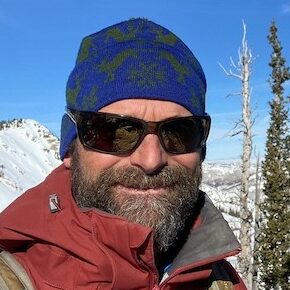
Chris Adams
Board of Directors – volunteer
After stops in Steamboat, CO and Portland, ME, Chris Adams moved to Salt Lake City in 1997 and has called it home ever since. He started telemark skiing his first winter in UT, ditched his alpine gear the next year and has not succumbed to the AT revolution yet. Chris joined WBA in 2015 and served as its president from Fall 2016 until Fall 2023, and is committed to preserving, expanding and improving recreation access for future generations. When he’s not working as an attorney, you can find Chris telemark and nordic skiing in the winter, and enjoying the trails, desert, rivers and mountains in the summer with his wife and two daughters. He is a die-hard Boston Red Sox fan who attended Colgate University (BA History) and University of Maine School of Law.
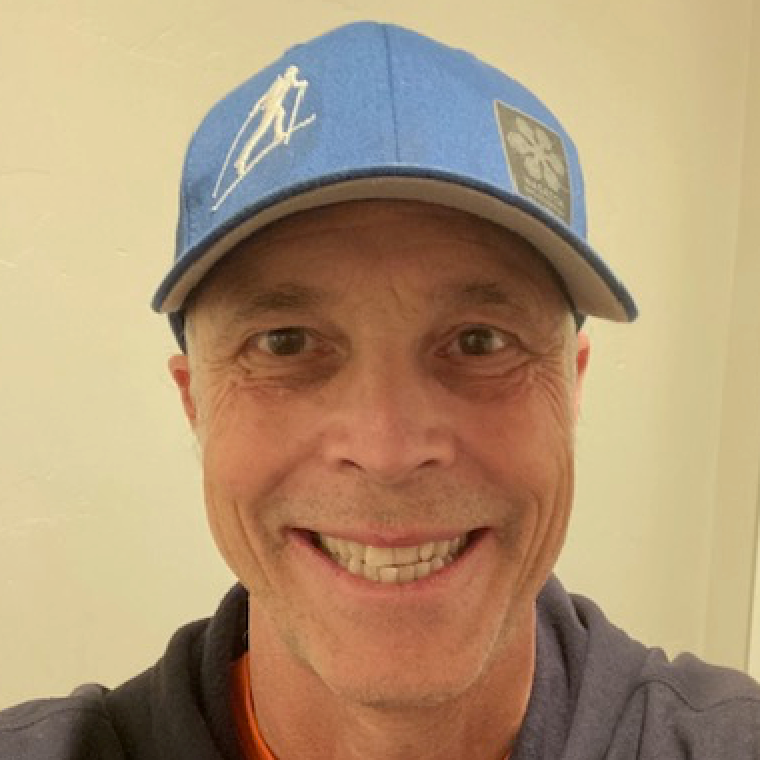
George Vargyas
Board of Directors – volunteer
George is one of the original board members of WBA. He was also one of the founders of the fledgling (but effective) Friends of Flagstaff in the mid 2000’s when the peak across from Alta was considered for a chairlift and resort expansion. He started BC skiing in the mid 80’s, and found his way to the Wasatch in 1997. When not seeking out wild snow, he enjoys rock climbing in the canyons. It’s all the more special when accompanied by his wife and 2 teenage sons. George is an Emergency Medicine physician in the Salt Lake Valley. He continues as a ski patrol member at Snowbird, and was the medical advisor of Wasatch Backcountry Rescue for almost 20 years,
He hopes to maintain the current balance of dispersed recreation and development interests in the Wasatch.
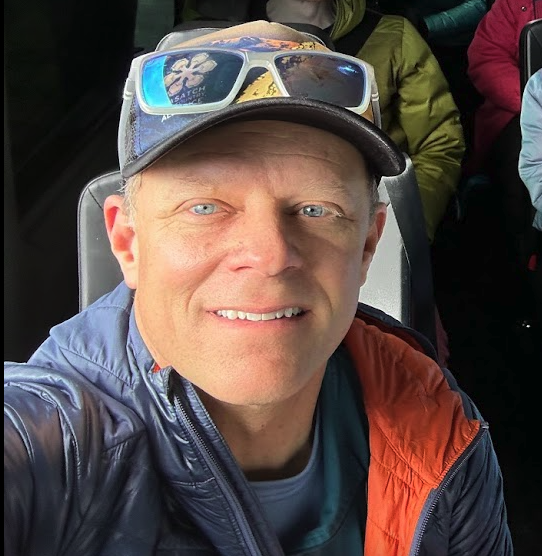
Brad T. Rutledge
Board of Directors – volunteer
In 2013, Brad first dipped his knee (like a deep powder tele turn) into advocacy opposing SkiLink. The fight against SkiLink catalyzed the formation of a robust, enduring alliance to champion the backcountry community, leading Brad and other advocates to establish WBA. His professional background in marketing and strategic communications has amplified WBA’s voice, championing canyons transportation solutions, backcountry protection and environmental stewardship in the Central Wasatch Mountains. As part of WBA’s communication strategy, he helped lead the effort behind The Uptrack podcast and various other outbound media strategies, ensuring WBA’s message was educational, persuasive and passionate. In addition to serving on the WBA Board, he also is a coach for the Olympus HS Cross Country team. For his day job, Brad runs a strategic marketing firm specializing in supporting businesses with high-tech innovation, and grassroots movements like WBA.
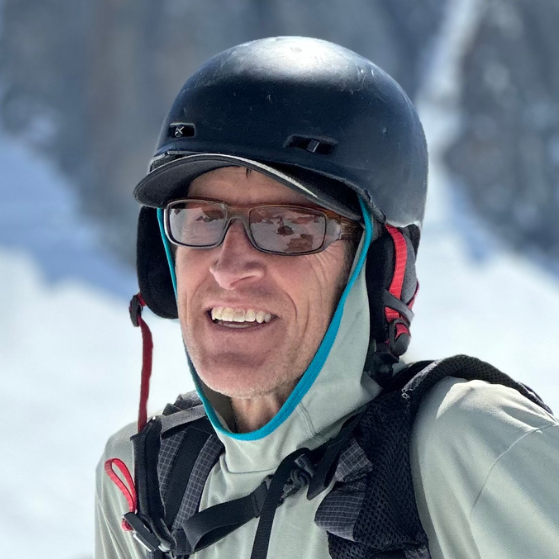
David Page
Board of Directors – volunteer
David is the Executive Director of Winter Wildlands Alliance, a national nonprofit Alliance of backcountry skiers, splitboarders, snowshoers and other human-powered winter recreationists working to protect America’s wild snowscapes. Based in Mammoth Lakes, California, he has also served as Senior Policy Advisor for Outdoor Alliance California. He has been a national award-winning journalist, a former Senior Correspondent for Powder Magazine, and a finalist for a 2015 National Magazine Award for his work on decision-making in avalanche terrain.
David Carroll
Board of Directors – volunteer
David discovered a passion for backcountry skiing as a student at the University of Wyoming in the early 70s. It was the dawn of telemark skiing in the US and the best gear in those days were floppy leather boots, three pin bindings and stiff skinny skis.
He moved to Salt Lake City in 1988, drawn by the possibilities of a place with work opportunities and an environment where boundless recreation opportunities were practically in the backyard. He has spent more than three decades skiing the Wasatch backcountry. David also worked for the Utah Museum of Fine Arts for thirty years retiring in 2020. Inspired by WBA’s campaign against SkiLink and motivated by the value he saw in an organization dedicated to representing the interests of the local backcountry community he joined the WBA board in 2015.
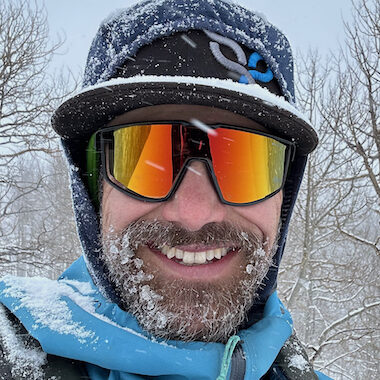
Aaron London
Board of Directors – volunteer
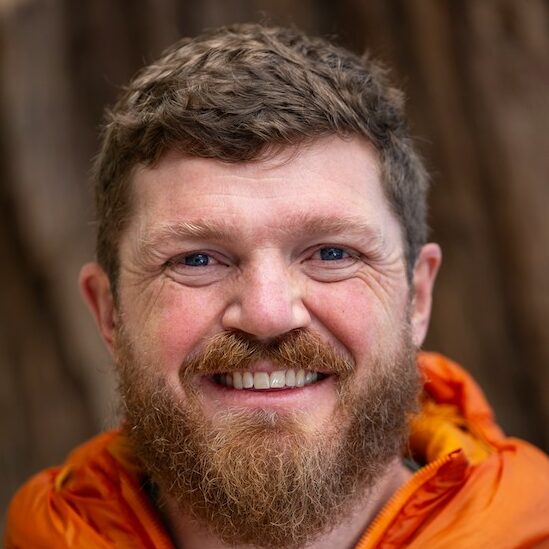
Born from ice, Aaron grew up in New Hampshire learning to ski the east both resort and backcountry. He transplanted to Utah just in time for the previous record breaking season of 2010-2011. While touring with a mentor and friend in Willow Heights in the season of 2012-2013 he learned about the plan to put a gondola right through the heart of it. He began volunteering with the WBA shortly thereafter, tabling at events and later focusing on the trail counting program. In 2019 he joined the board to further his commitment to protecting and preserving the balance in the Central Wasatch mountains and to give back to a place and community that has given him so much. As a software engineer for onXmaps he feels incredibly fortunate to be able to align professional and personal passions for the outdoors. This season he continues the freeheel tradition as he steps up to the role of president and seeks to fill the boots of past-president Chris Adams.
Mason Daly
Board of Directors – volunteer
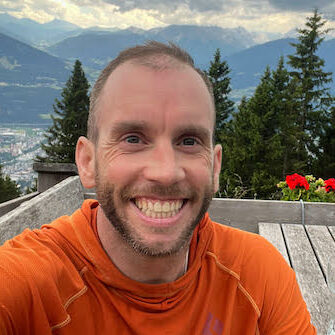
Mason is a Utah transplant who fancies himself a backcountry skier and public lands advocate. He is the Utah regional sales rep for Patagonia where he works closely with retailers and the community to protect the places we love. Having skied for 35+ years, a former ski patroller and guide, and an avid backcountry skier he brings a deep rooted passion to the table for the sports and places we are working to protect.
Jay Erickson
Board of Directors – volunteer
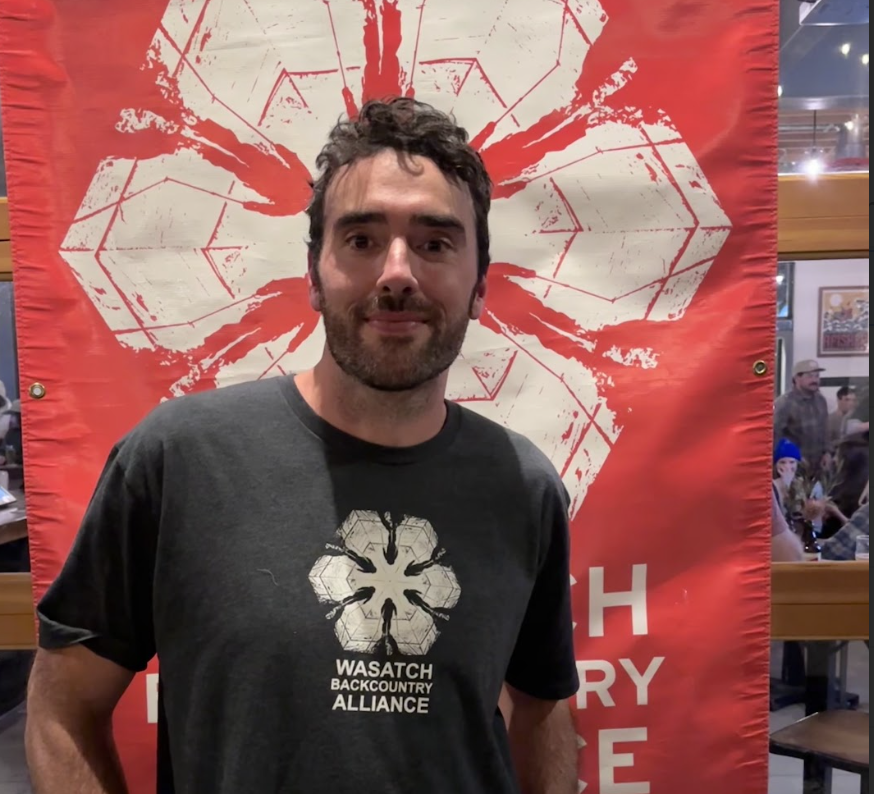
Jay is new to the mountain recreation scene with moving to Utah in 2021. Since then he has transformed his life and wants to focus on enriching the user experience for mountain recreation for generations to come. He hopes WBA’s advocacy to preserve and extend winter recreation access provides the same gifts for others in the community that he’s enjoyed. Jay believes we certainly live in a magical place that is worth building a community with and protecting.
He is a construction project manager for critical utility infrastucture and loves complex projects that will lead to lasting change
For pleasure and fun he enjoys: recreating in the mountains via human powered methods of skiing & biking whether on gravel or single track. Music and seeing it live is a way for him to express himself and his love for dancing.
Jake Wright
Board of Directors – volunteer
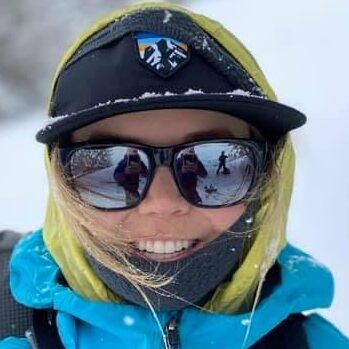
Jake grew up in Pittsburgh, Pennsylvania, where he mountain biked, skied, and skateboarded at a young age but then transitioned to snowboarding due to its similarity with skateboarding. When Jake transplanted to Utah he quickly picked up splitboarding and fell in love with the backcountry. He is passionate about environmental protection and has worked in the International Development sector for seven years, supporting projects that have helped transition developing countries from fossil fuels to renewables, raise private funding for renewable energy investments, and lobby for clean energy policy. Jake is an alumni of West Virginia University and has volunteered for the Sierra Club, Cottonwood Canyons Foundation trail crew, and WBA trail counter program. In addition to splitboarding, Jake also enjoys rock climbing, mountain biking, hiking, and slacklining.
Dani Poirier
Director
I was raised in the Rockies of Colorado and Canada, but have called Utah home since 2004. I was fortunate to grow up resort and cross-country skiing, but when I became involved with WBA in 2014 as an intern while attending the University of Utah, I had never been alpine touring. I joined because I believed in protecting the balance between undeveloped and developed terrain in our small but gorgeous mountain backyard. I joined the Board of Directors in 2018 and now serve as the director as of the 2023/2024 season. I am excited to pioneer this new role and help tap into our potential to protect our vital winter playground. I love ski touring in the winters, but I also dabble in other activities Utah has to offer like rafting, climbing, cross-country and resort skiing, and hiking with my high-energy pup, Heidi.
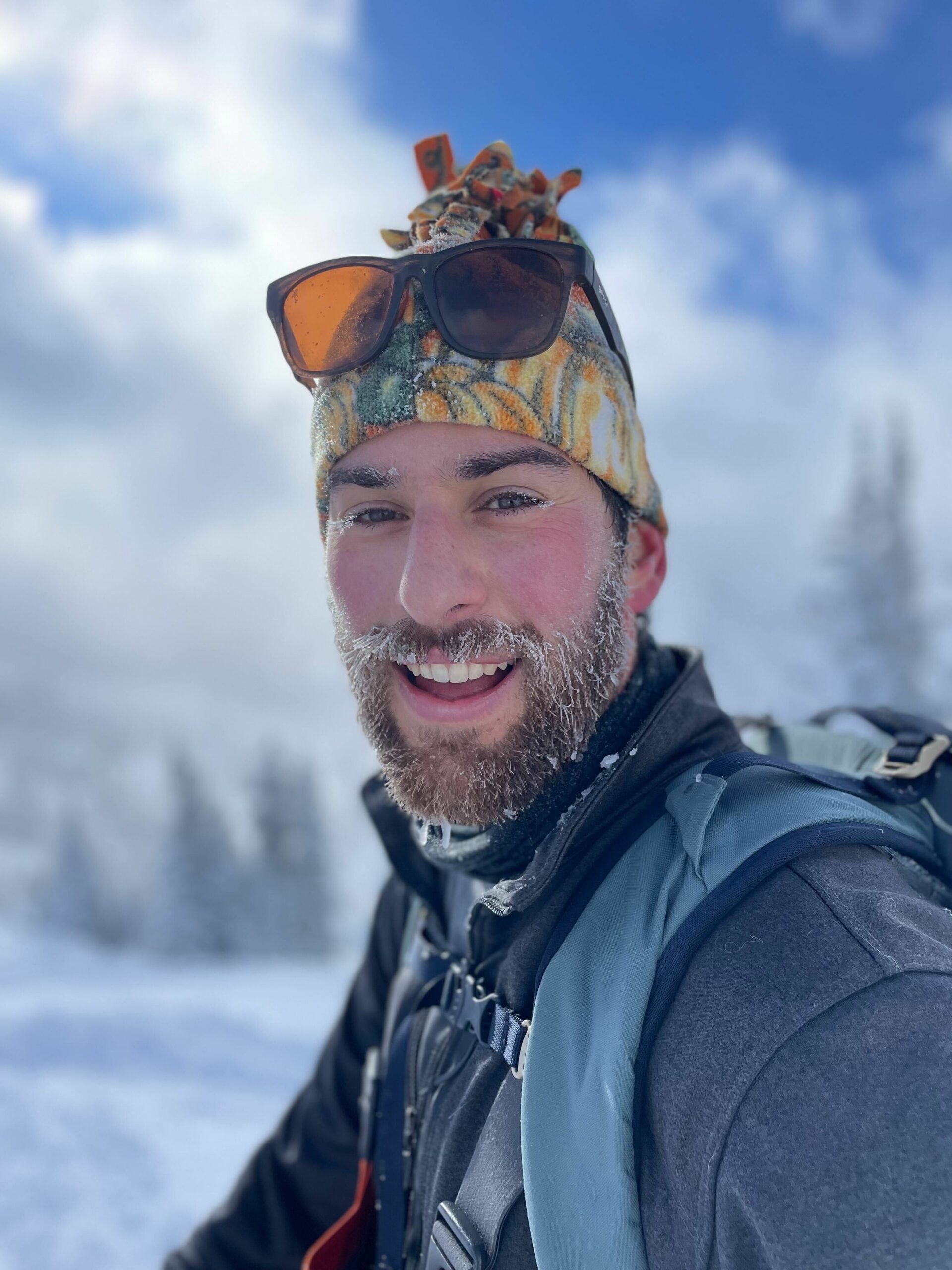
Eli Davis
Social Manager
After admiring WBA’s advocacy work from its early days, I joined the team during the 2022 winter, managing social media and communications. Working alongside and learning from the dedicated and knowledgeable WBA board members has further inspired my love of the Wasatch and desire to protect my adopted home range. My Baltimore roots remain in my diehard Ravens, Orioles, and Terps fandom. I would be remiss not to mention I teleski. Because one nonprofit isn’t enough, my day job at O₂ Utah keeps me busy working for cleaner air across the Wasatch Front.
Community driven.
We are on a mission to build a stronger community to help protect the places we love. Your membership will fund current and future projects, while connecting you with fellow community members through social gatherings and education.