How We Put Our Mission Into Action
This fall, the WBA Board of Directors gathered for our annual strategic visioning session to focus our limited capacity on the biggest opportunities and challenges facing the Wasatch. I’m incredibly grateful for our volunteer board members and the time, skills, perspectives, and institutional knowledge they bring to WBA. Their support helps guide our work and keep us moving forward.
There’s A LOT happening right now, and as WBA’s only employee (and not even a full-time one!), it’s easy to feel spread thin. But the support of this community and knowing that WBA is making a real impact keep me going.
So, what does putting our mission into action look like? This newsletter explains some of what’s been keeping us busy…
As always, thank you for supporting WBA! Whether you’re reading our emails, responding to action alerts, attending events, becoming a monthly member, or making a donation, every bit of support helps sustain our mission. We truly couldn’t do this work without our fellow backcountry advocates!
See you on the skintrack,
Dani Poirier — Director
Represent & Advocate
This piece of our mission is huge. If backcountry interests aren’t represented at the table, how will decision-makers know what our community needs?
We’ve been having conversations at every level—from our federal delegates in Washington, D.C., and their local staff to state and local officials and potential future decision-makers.
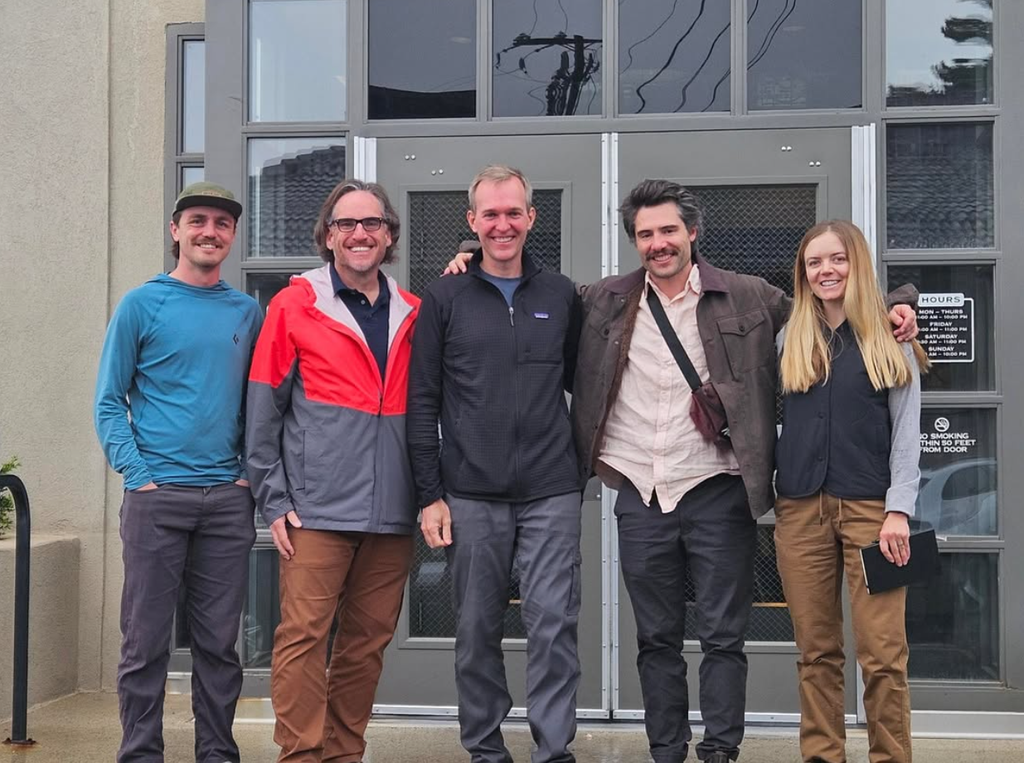
Within the last month, our director, Dani Poirier, had the opportunity to meet with Rep. John Arthur (whose district includes the Cottonwood Canyons) and Ben McAdams (running for Utah’s 1st Congressional District) to chat about WBA and the issues that matter to the backcountry community.
We also reached out to Senators Mike Lee and John Curtis, along with Utah Representatives Celeste Maloy, Mike Kennedy, Burgess Owen, and Blake Moore, to share how proposed changes to policies like the Roadless Rule and Travel Management Rule could impact our backcountry community.
We also maintain monthly meetings with our local Forest Service leadership and quarterly meetings with UDOT to discuss transportation, parking, and access concerns.
Speaking of National Policy, WBA joined nationwide efforts to mobilize public comments in support of the Roadless Rule and the Travel Management Rule.
In case you missed it, more than 1.2 million public comments were submitted in response to the proposed changes to the Roadless Rule. Estimates indicate that more than 99% of comments supported keeping the Roadless Rule in place. That’s an extraordinary level of public engagement during a relatively short comment period and a clear demonstration of how much these protections matter to people across the country.
The Travel Management Rule is in an earlier stage of revision and received less attention. However, an analysis by the Center for Western Priorities found that 99% of the 134,312 public comments submitted on the U.S. Forest Service’s proposed Travel Management Rule revisions opposed the administration’s proposal.
WBA will continue to educate and mobilize our community when opportunities arise to speak up for public lands nationwide. Thanks to our partners at Winter Wildlands Alliance and Outdoor Alliance for helping us stay informed about national policy issues that could impact backcountry recreation, and thanks to everyone who took the time to make their voice heard!
Transportation for Trailheads
New Transit Coalition Formed:
Over the summer, WBA was also invited to participate in a newly convened transportation-solution group for the Cottonwoods, organized by Senator Cullimore. The initial meetings at the State Capitol were productive and focused on some important questions: Are we fairly evaluating all potential solutions? What are the goals of each? How should “success” be measured for the phased approach? And how might changes like UDOT’s increased use of Remote Avalanche Control Systems (RACS) change demand for infrastructure like snowsheds?
WBA will continue to participate in these meetings so we can represent the backcountry community and advocate for solutions that serve dispersed winter recreation—not just resort access. As always, we’ll keep you posted when these discussions gain momentum.
Enhanced Bus Service:
We’re also encouraged by UDOT’s continued momentum around enhanced bus service in both canyons. As a reminder, the current plans include major new bus stops at the resorts and improvements at four trailheads in Big Cottonwood Canyon. However, no trailhead improvements are currently planned for Little Cottonwood Canyon, as those projects are classified as Phase 2 in UDOT’s LCC Environmental Impact Statement (EIS). Through our meetings with UDOT, they seem confident they will meet the 2028 project completion target for enhanced bus service.
White Pine Parking:
We hope the meetings organized by Senator Cullimore will create an opportunity to advance transit and trailhead improvements at White Pine in Little Cottonwood Canyon. Following the roadside parking reductions last season, improving transit access is especially important for this access point. We’re hoping to explore ways to move these improvements forward sooner rather than waiting for Phase 2 of the LCC EIS
In our recent quarterly meeting with UDOT to chat about parking concerns in the Cottonwoods, we continue to advocate for restoring more roadside parking at White Pine, though that now seems unlikely. UDOT has indicated a commitment to making parking signage clearer and more accurate, so we’re hopeful that will help reduce confusion—and questionable parking tickets—this winter.
UDOT Sticker Program:
UDOT’s winter traction sticker program begins November 9. Visit UDOT’s website for details on eligibility, participating locations, and how to get your sticker.
Backcountry Parking Guide:
WBA will be working on publishing our 2026–27 Backcountry Parking Guide, so stay tuned! This will include info on our Backcountry Shuttle in Millcreek. Keep reading for MCC updates…
Protect Undeveloped Terrain
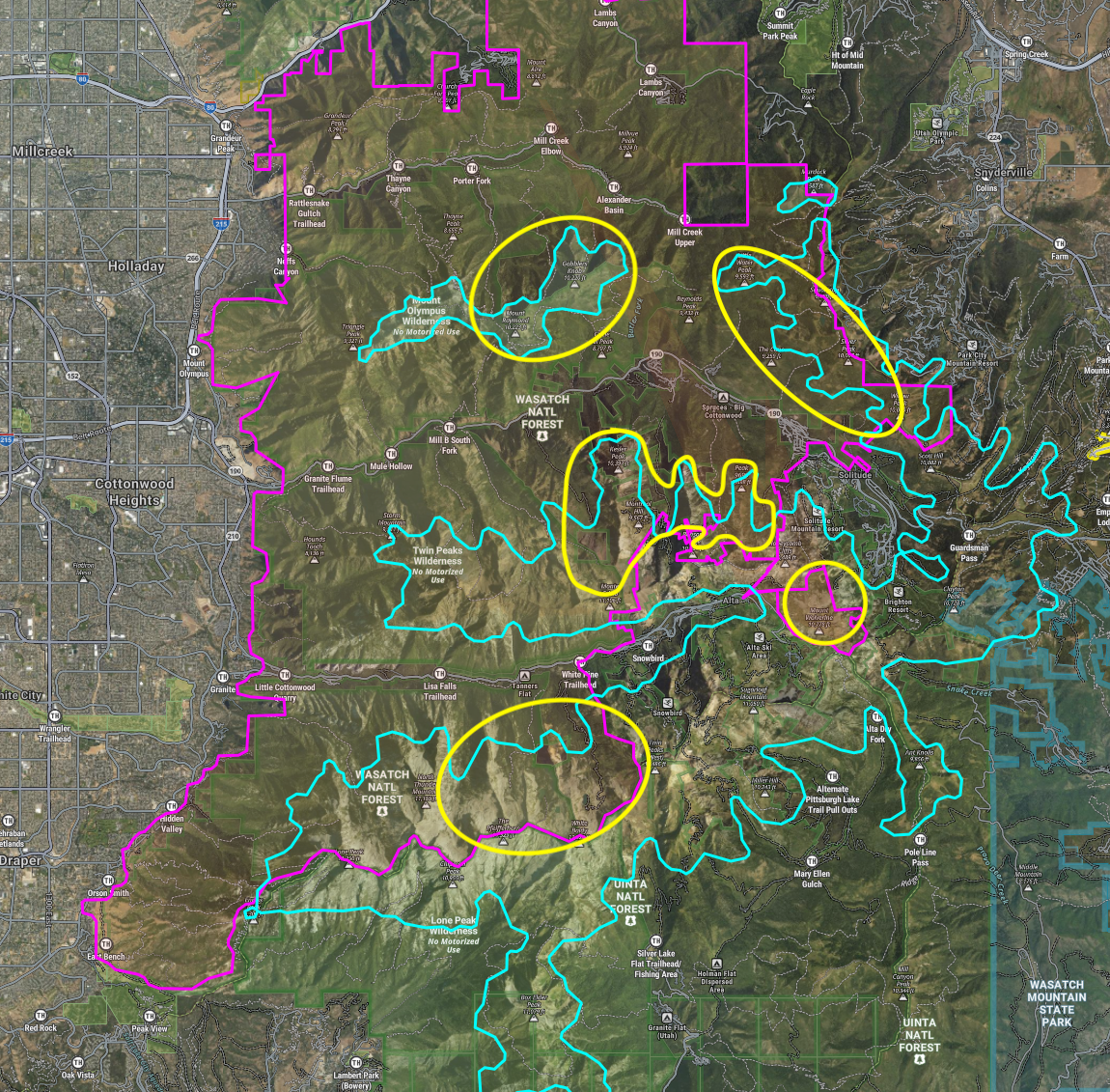
WBA has been following renewed efforts by the Central Wasatch Commission to advance the Central Wasatch National Conservation and Recreation Area (CWNCRA), legislation first proposed over a decade ago following the Mountain Accord process. This topic has deep roots in WBA’s history: our volunteer board at the time dedicated countless hours to protecting some of the Wasatch’s most valuable high-elevation terrain, including privately owned areas around Superior, the Emmas, upper Cardiff, and Grizzly Gulch through the original bill.
As part of this renewed effort, WBA was initially one of nine stakeholders invited to participate in negotiations alongside the general managers of Solitude, Brighton, Snowbird, and Alta Ski Area; the mayors of the towns of Brighton and Alta; the director of Salt Lake City Public Utilities; and the director of Save Our Canyons. WBA’s initial invitation to participate was significant recognition of the backcountry community’s stake in these discussions and the power of our collective voice.
As the process evolved, negotiations shifted to private discussions among the ski resorts and public utilities. WBA was still invited to share our perspective at a public meeting, where we advocated for a broader vision of what this legislation could accomplish.
This is a work in progress. From our perspective, legislation called the “Conservation and Recreation Act” should deliver meaningful benefits for both conservation and recreation, including human-powered recreation.
We’ll continue advocating for public access to high-elevation, skiable terrain and evaluating how the bill’s language, maps, and management framework might provide meaningful protections for the future of backcountry skiing.
Collecting Backcountry Use Data
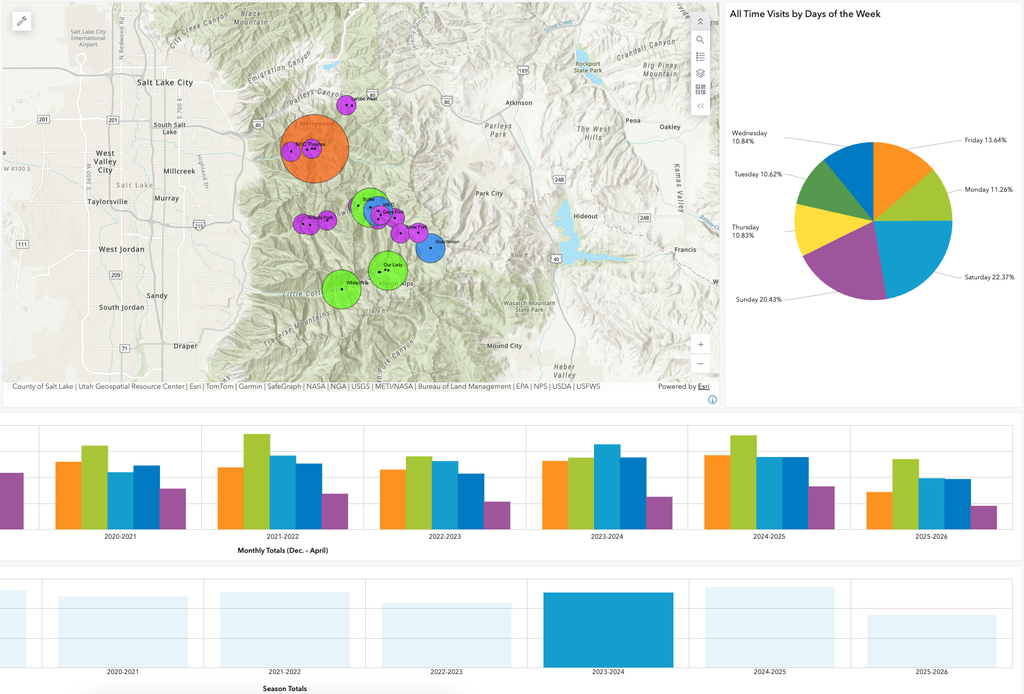
We’re excited to have U of U student Thea Kraft continuing her work as an intern with WBA this fall after joining us as a summer intern! Thea has been instrumental in helping us turn years of trail counter data into a new interactive map of winter backcountry use across the Wasatch.
Beyond the mapping work, she’s also getting an inside look at the ins and outs of a scrappy nonprofit including: public lands policy, fundraising, education, and tabling at community events. It’s been great having her help us put our data to work in support of backcountry access!
Millcreek Updates
WBA Millcreek Shuttle:
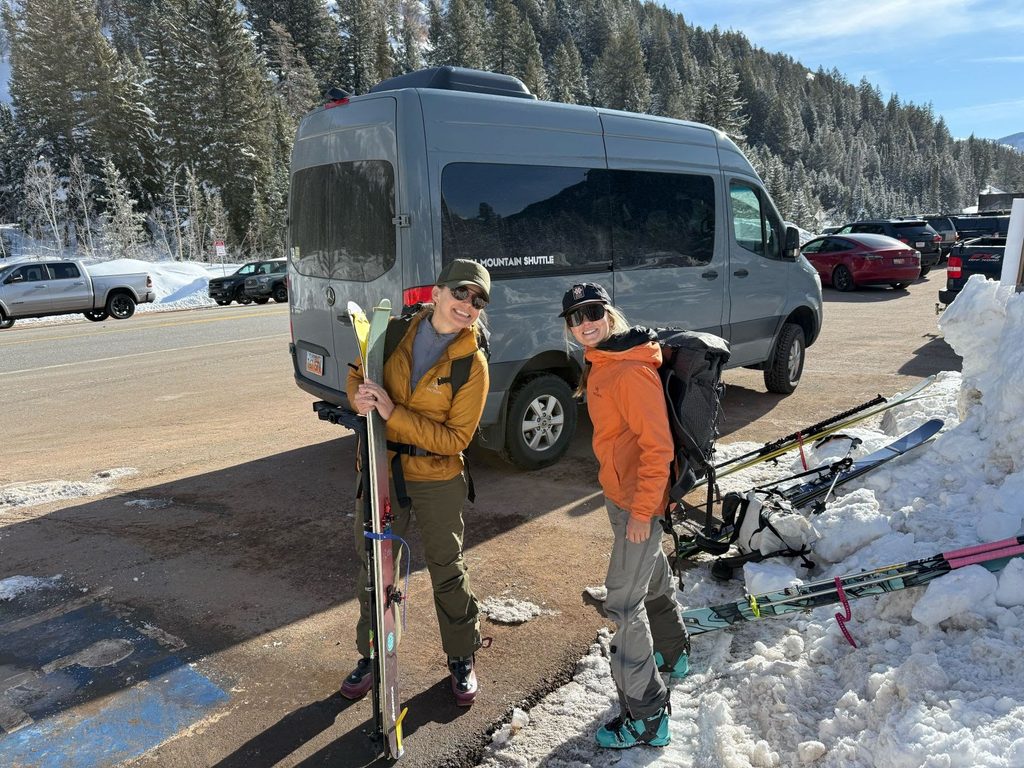
This winter marks the second year of WBA’s Millcreek Shuttle pilot program! The shuttle is free to ride, but if you have a Millcreek Canyon (MCC) pass, please bring it along to help us collect ridership data. Everyone is welcome—hikers, sledders, skiers, fat bikers (yes, we have fat bike racks!), and even well-behaved dogs on leash on even-numbered days.
The shuttle will depart from Virginia Way every hour, starting at 9:00 a.m. We anticipate launching in mid-January, so stay tuned for updates by keeping an eye on your inbox and following us on Instagram.
Millcreek Canyon Construction:
This summer was originally expected to be the final construction season for the Upper Mill Creek Canyon Road Improvements Project, but the project will likely extend into spring or summer 2027. Let’s be honest—it’s construction in Utah, so we’re not entirely surprised! The good news is that the upper canyon road will reopen this winter for non-motorized winter recreation. However, the yurts will not be available this season.
Millcreek Updates
As winter approaches, the resorts are beginning their prep for the season, and access conditions may change as mountain operations get underway.
Thank you to Alta for often facilitating early-season uphill access. Please be sure to check the resorts info, UDOT Cottonwoods, and UDOT Avalanche for updates before heading up. Please respect all signage and restrictions! Being a “good neighbor” and respectful backcountry skier/splitboarder goes a long way when WBA works with land managers and businesses to maintain and advocate for access.
Access to Grizzly Gulch and Catherine’s Pass typically remains open via the Summer Road. Backcountry conditions exist. Equipment may be encountered on the mountain. There is no ski patrol. Be smart.
Fuels Reduction Update
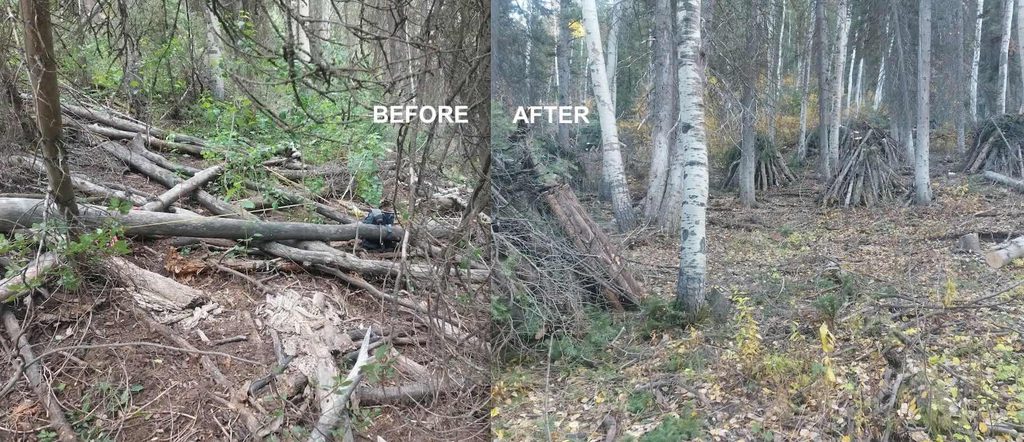
Our local Forest Service has been busy with fuel reduction work in Big Cottonwood Canyon, with crews recently working in the Mill D and Cardiff. The work focuses on reducing wildfire risk and improving watershed health. The cut material will be left to dry for about a year before being burned in fall 2027.
Future work is planned for Mineral Fork and Days Fork, with longer-term work extending to Bear Trap, Matts Basin, and Silver Fork.
It’s our understanding that much of this work is taking place on relatively flat terrain, so it may not dramatically change the backcountry ski experience, however, it could improve some of the approaches. Learn more: USFS Watershed Restoration Project
The Cardiff Canyon Owners Association has also been keeping us informed about its fuels reduction work with the Utah Division of Forestry, Fire and State Lands on its “Demonstration Forest” on private property in lower Cardiff, adjacent to Highway 190.
WBA would love to see more permitted forest health and fuels reduction projects across the Wasatch. Thoughtful thinning and removal of dead and downed trees can improve forest health, reduce fuel loads, and even make some backcountry approaches easier to navigate during low-snow winters when those pesky trunks and branches can be real obstacles! Before and after photos shared by CCOA.
Friendlier Finances
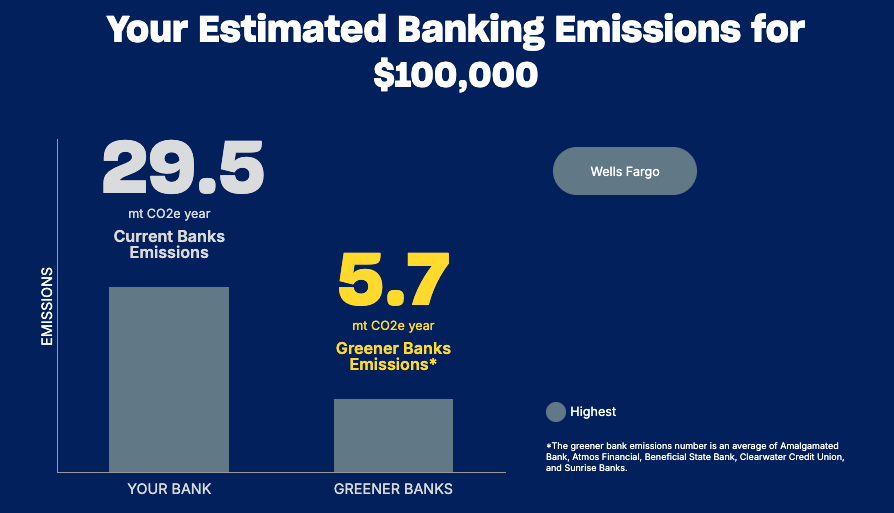
Inspired by Protect Our Winters (POW) and their Bank Emissions Calculator, WBA recently evaluated the climate impact of our banking choices and made the switch from Wells Fargo—which ranks #5 globally in fossil fuel financing according to Green Banking—to a local credit union.
We’ve also opened a money market account to make our reserves squeeze out a bit of extra interest earnings. We recognize that climate investment data was difficult to find for our local credit union, so we can’t make a direct comparison of its fossil fuel financing practices. However, moving our funds away from a major national bank and into a local financial institution aligns with WBA’s commitment to supporting our local community.
Upcoming Events
12/3 Storytelling at Skimo Co
Join Andrew McLean (author of The Chuting Gallery) and Brad Barlage, two pioneers of backcountry skiing in the Wasatch and founding board members of Wasatch Backcountry Alliance (WBA), for an entertaining presentation about a lifetime spent exploring steep lines, pushing boundaries, and building community through backcountry skiing.
Spots are limited!
Summit Push Success!
Our third annual Summit Push was one for the books, and we couldn’t have done it without this incredible community. Thank you for showing up, celebrating the Wasatch, and helping Wasatch Backcountry Alliance build momentum for the future of our backcountry.